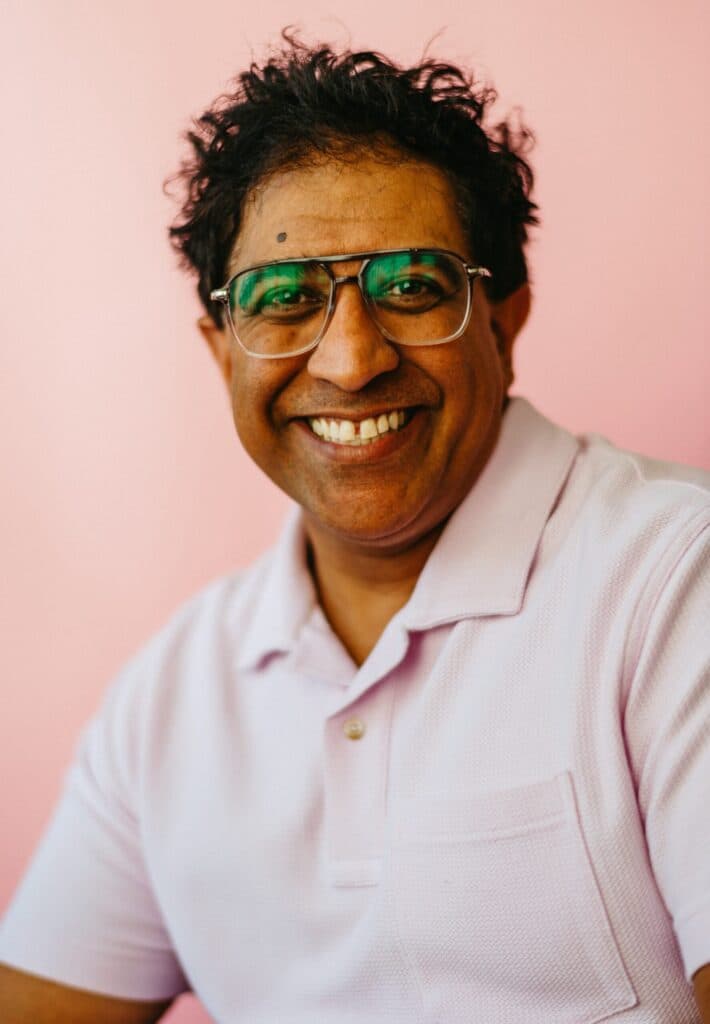
In light of Hopelab’s 25th anniversary, President and CEO Jaspal Sandhu reflects on how boldness and hope have laid the foundation for Hopelab over the years.
A video game that could help young cancer patients with their treatment compliance and the determination to see that idea become a reality.
Twenty-five years later, I find myself sitting with our origin story. Not the nostalgia of it, but as a compass for what’s ahead. To be so audacious, so willing to go all in on something you envisioned, even if others didn’t think it would be possible. That audacity has always been Hopelab’s most characteristic trait.
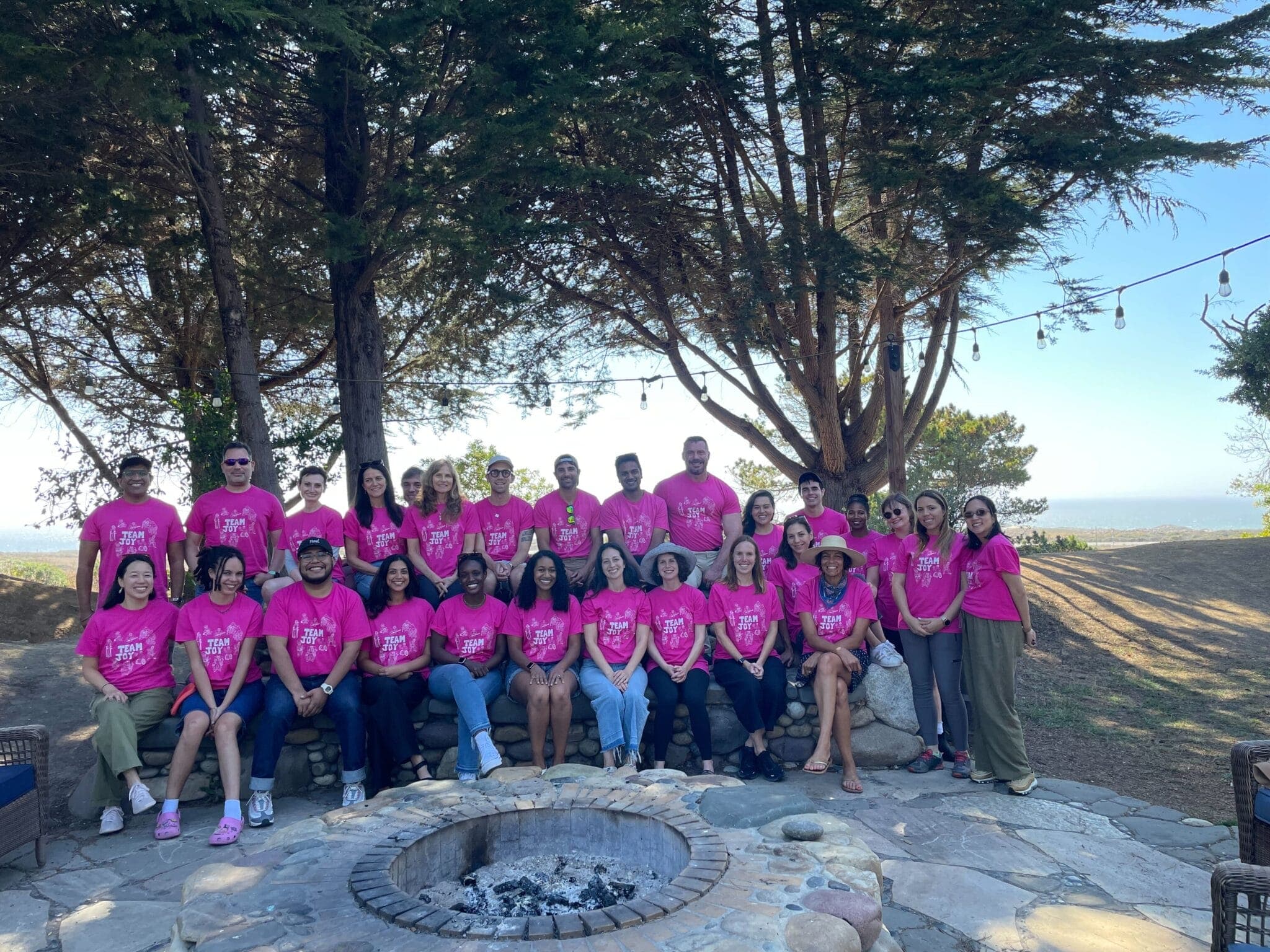
As we reflect on the past 25 years, we’ve been in conversation with our alumni and past partners – members of the greater Hopelab family. Across different strategies, contexts, and leaders, the words we hear again and again are “grit,” “purpose,” and “resilience.” We’ve reinvented ourselves several times over. We’ve stumbled. We’ve faced many challenges. There were times we could have listened better, moved faster, or shared power earlier and more fully. Many of these were not comfortable lessons, but they are what make us the organization we are today.
What stayed consistent across every Hopelab era wasn’t a strategy or a theory of change. It was our shared values and an overwhelming belief that this work should be done in real partnership with young people. We have always been passionate about creating more equitable health outcomes for young people from underinvested groups. We are relationship builders who understand that systems change must start with authentic connection. We draw on rigorous science and the lived experiences of young people to expand our learning. And in today’s world, we are clear-eyed that optimism, joy, and hope can be radical acts.
As I’ve spent time with the people who have built Hopelab, hearing stories from all of the eras, wonder keeps finding me. Over and over, I realize that Hopelab was there before the world caught up. Whether that was investing in human-centered design for health before it was mainstream, centering the experiences of Black, Brown, and Queer young people before equity became a stated priority across philanthropy (and sticking with it, when it became “controversial”), or building toward youth co-creation when most organizations were still designing for young people, not with them. This pattern was not an accident. It happened because of a willingness to act with hope — to move forward boldly. That’s the legacy we’re accountable to. And it’s the spirit we carry into what comes next.
As we embark on the next 25 years, we’re asking what the next generation of young people will need to thrive. How do we shift the systems that have made well-being so unevenly distributed in the first place?
These questions ask something of us. They ask us to be bold. And boldness and hope are formidable partners. Why would you take a risk, do something boldly, if you weren’t hopeful? You wouldn’t. You’d do something safe. Hope is what makes risk feel worth it. It’s what makes you willing to bet on a future that doesn’t yet exist; to work toward something hard, and precarious, and sometimes frightening, because you believe it is possible.
History has shown us this again and again. Civil Rights was a movement of young people: John Lewis, Diane Nash, Julian Bond, Claudette Colvin, Ruby Bridges, and thousands more. They had every reason to despair, but instead chose to march, sit in, organize, and demand equality. That was hope made visible. Hope for an America that had not yet existed.
The LGBTQ+ rights movement carried the same instinct. Harvey Milk knew it when he said, plainly and urgently: “You’ve gotta give ‘em hope.” He understood that hope wasn’t a feeling to wait for. It was something you had to practice even when the world gave you every reason not to.
That’s the bold spirit Hopelab was founded on. It feels bold to be hopeful right now, in a world that feels so tumultuous. The stakes are high. Systems change is slow, nonlinear, and often invisible, until it isn’t. But we’re willing to take that bet.
To be hopeful is to be bold. To be bold is to be hopeful.